
Tips on Nursing Patients
What should we do if the patient is suicidal?
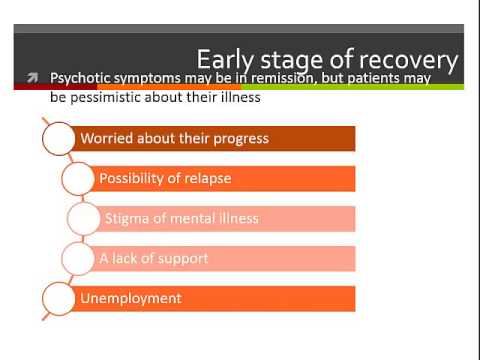
Psychotic patients tend to have a higher suicide rate, especially early in their onset and during their recovery. This is mainly due to the emotional instability brought on by the more realistic delusions and hallucinations during those stages. Also, most patients would be foreign to these symptoms when they first got them, which makes them scared, anxious, or even desperate, thus having suicidal thoughts when they feel helpless; therefore it is crucial to seek medical help as soon as possible. During the early stages of recovery, even though psychotic symptoms may be in remission, some of the patients may still be pessimistic about their condition, worry about their progress, possibility of relapse, stigma of mental illness, lack of support, unemployment etc., these may upset the patient and lead to suicidal thoughts.
If we notice the following in the patient, they may be at risk for suicide:
- Written or verbal expression of suicidal tendency
- Giving away property or complete personal matters
- Change in eating or sleeping pattern
- Sudden change of personality or appearance
- Loss of interest for the future
- Express helplessness or despair
- Excessive guilt or shame
- Aberrant behaviours
We can deal with the situation by:
- Gently ask them if they have thought about committing suicide; direct enquiry will not lead to them committing suicide
- Do not downplay what the patient is going through or express that you can easily overcome these experiences
- Do not think that it denotes weakness, and acknowledge their feelings
- If they can talk about when they are going to commit suicide and plan on buying the required instrument, try to spend more time with them
- Seek help from professionals or the Integrated Community Centre for Mental Wellness (ICCMW) with the patient
- If the situation is urgent, seek help from the emergency department or call the police by dialing 9991
Annotation1
Seeking help in urgent situations
If the patient appears to be very emotionally unstable, poses as threats to themselves or others, we must call an ambulance immediately. We can be prepared for the situation by keeping the phone number of nearby ambulance/emergency medical services handy, so that we can call an ambulance when the above signs are showing. The ambulance staff would usually ask for basic information regarding the situation and then call the police for backup if necessary. If we don’t have the contact information for ambulances then, we can also call 999 directly and seek help from the police. It is important to remain calm, give your name, location, phone number, the patient’s emotional state and relevant problems etc. clearly on the phone.
If you would like to seek help from the Integrated Community Centre for Mental Wellness (ICCMW), please click here.
Also, hospital authority has a 24/7 hotline; if you would like to learn more about it, please click here.
What should we do when the patient attempts to harm other people?
It is very rare for mental health patients to harm other people; research found that the likelihood of them being violent is very similar to people without mental illnesses, and that most violence-related cases are not committed by mental health patients. However, it is possible for patients to feel that they are being harassed or persecuted due to their delusions and hallucinations, thus prompting them to be act defensively or take preemptive action, and this may be threatening to others. Also, the patient may become very sensitive or insecure, and misinterpret other people’s intentions.
If we notice increased frequency of the below behaviour by a family member, we should pay more attention to them and seek help from professionals as soon as possible.
- Keeps pacing, being restless
- Threatening, speaking with contempt or accusation
- Agitated, shouting, hitting or throwing things
- Clenching their fists, waving their hands
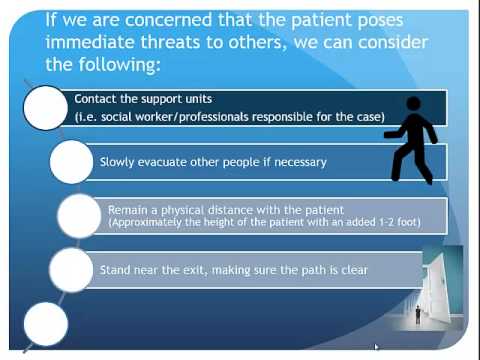
If we are concerned that the patient poses immediate threats to others, we can consider the following:
- Contact the support units (i.e. social worker/professionals responsible for the case)
- Slowly evacuate other people if necessary
- Remain a physical distance with the patient (approximately the height of the patient with an added 1-2 foot)
- Stand near the exit, making sure that the path is clear
- Put your hands next to you so that the patient doesn’t suspect that you are armed
- Avoid staring or glaring, maintain eye-level eye contact
- Be soft spoken, speak with clarity and precision
- Avoid speaking loudly or quickly
- Do not provoke or blame (i.e. do not say things like “many people have had it worse”, “control your emotions”, “why are you doing this?”)
- Do not get agitated, argue with the patient or attempt to take weapons away from the patient
- Stay calm and friendly
- Try to persuade the patient to sit down and put down the things they are holding
- Do not reject requests that cannot be fulfilled immediately
- If the situation is urgent, please seek help from the police by calling 9991
It is best to try and understand the patient’s perspective, and avoid provoking the patient; it is also advisable to seek help as soon as possible.
Annotation1
Seeking help for urgent situations
If the patient appears to be very emotionally unstable, posing threats to themselves or others, we can get help by calling an ambulance. We can be prepared for the situation by keeping the phone number of nearby ambulance/emergency medical services handy, so that we can call an ambulance when the above signs are showing. The ambulance staff would usually ask for basic information regarding the situation and then call the police for backup if necessary. If we don’t have the contact information for ambulances then, we can also call 999 directly and seek help from the police. It is important to remain calm, give your name, location, phone number, the patient’s emotional state and relevant problems etc. clearly on the phone.
What are the procedures for involuntary admission?
- Most of the time, hospitalisations are arranged with the consent of the patient; however, if the patient is unstable, such as displaying behaviours that threaten themselves or others, the patient may be subjected to involuntary admission.
- Eligibility of Applicant
Involuntary admission can be requested by family members, registered doctors or certified social workers (approved by the Social Welfare Department).
- Considerations of Application
Judging whether the patient needs to be admitted for observation based on the nature of the patient’s condition.
Involuntary admission aims to ensure the safety and health of the patient, as well as the safety of the others.
- Duration
The general duration is 7 days; but can be extended up to a maximum of 21 days.
- Discharge from Hospital: Priority Follow Up
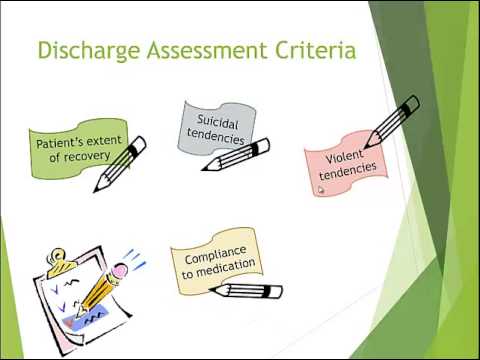
Once the patient has been discharged from the hospital, the responsible physician will decide whether they need priority follow up based on their condition. Patient will be evaluated by professionals before they are allowed to leave the hospital; the assessment criteria include the patient’s extent of recovery, violent tendencies, suicidal tendencies, compliance to medication instructions, support from family and community etc.
Once the patient is suited to be discharged, the hospital will arrange appropriate rehabilitation services for them in order to help them adapt. Professionals will also schedule follow-ups for the patient depending on their condition, either at specialist out-patient clinic/psychiatric day hospital, or visits provided by the Community Psychiatric Nursing Services.
Patients who are subjected to priority follow up will be reviewed by experienced psychiatrist prior their discharge from hospital; they would only be allowed to leave if the doctor agrees with the arrangement and completes their condition reviewing process. Hospital Authority will also schedule special follow-ups by the Community Psychiatric Nursing Services for these patients, including home visits etc.; as well as arranging experienced psychiatrist to see them at specialist out-patient clinic, so that the support for these patients after leaving the hospital is increased, and hopefully they will be able to recover sooner and integrate back into the society.
If family members notice unstable mental state in a priority follow up patient, they may contact the responsible
appointment or admission.

